We have gathered a selection of wellness and comfort products for informational purposes. Some research suggests that certain dietary choices and ingredients could be explored as part of a balanced lifestyle.[1] This page is for informational purposes only and does not constitute medical advice. Consult your healthcare provider for personalized recommendations.

Aloe has been studied for its moisturizing properties, which some research associates with skin hydration.[1] Results are not guaranteed and may vary. Consult a healthcare professional before using any product for skin concerns.
We are pleased to introduce Gelarex, a dietary supplement that combines ingredients such as omega-3, antioxidants, and vitamins. These ingredients have been studied in various contexts;[1][6] however, this product has not been evaluated by any regulatory authority to address specific health conditions.
The formula includes ingredients that are traditionally used in wellness routines. Individual results may vary considerably. Gelarex is not intended to diagnose, treat, or prevent any disease.
Consult your healthcare provider before starting any supplement. We share this information for educational purposes only.
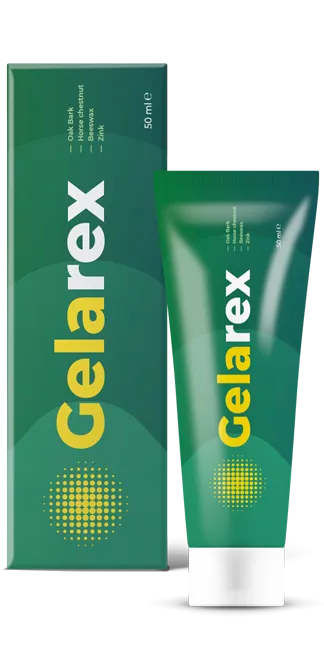
Interested in learning more? Fill out the form and our team will contact you to share more information about Gelarex.
The health and nutrition information on this page is supported by the following peer-reviewed and government sources. These citations do not constitute endorsement of any product.
[1] Surjushe A, Vasani R, Saple DG. Aloe Vera: A Short Review. Indian J Dermatol. 2008;53(4):163-166. https://www.ncbi.nlm.nih.gov/pmc/articles/PMC2763764/
[2] National Institutes of Health, Office of Dietary Supplements. Vitamin C. https://ods.od.nih.gov/factsheets/VitaminC-HealthProfessional/
[3] National Institutes of Health, Office of Dietary Supplements. Vitamin E. https://ods.od.nih.gov/factsheets/VitaminE-HealthProfessional/
[4] National Institutes of Health, Office of Dietary Supplements. Vitamin A. https://ods.od.nih.gov/factsheets/VitaminA-HealthProfessional/
[5] U.S. Department of Agriculture. FoodData Central. https://fdc.nal.usda.gov/
[6] Backes J, Anzalone D, Hilleman D, Catini J. Marine Omega-3 (N-3) Fatty Acids for Cardiovascular Health: An Update for 2020. Int J Mol Sci. 2020;21(4):1362. https://www.ncbi.nlm.nih.gov/pmc/articles/PMC7072971/